
What Happens If the Appraisal Comes In Low in Massachusetts? Your Options When the Numbers Don't Add Up
If a home appraises below the agreed purchase price in Massachusetts, your lender will only finance up to the appraised value, not what you offered to pay. That leaves you with four options: cover the gap out of pocket, ask the seller to reduce the price, negotiate a compromise, or walk away if your contract includes an appraisal contingency. Here's the critical detail most buyers miss: Massachusetts's standard purchase contracts, the MAR form and the Greater Boston Real Estate Board Offer to Purchase, do not automatically include an appraisal contingency. However it is commonly associated with the mortgage contingency, and it needs to be addressed explicitly if the appraisal is a key concern for that particular property.
By Tyler Smith | Beacon & Bond Group | June 19, 2026
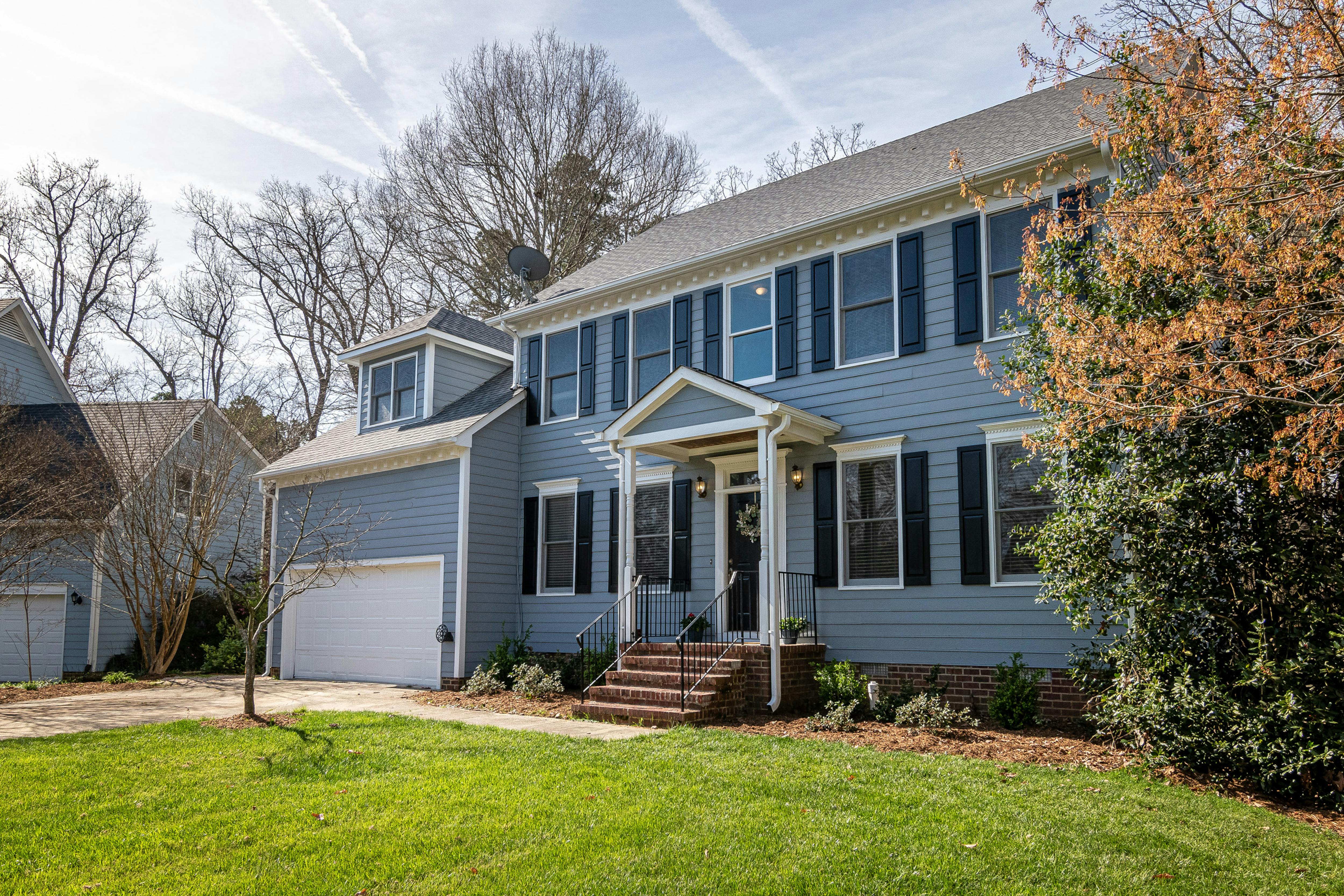
Picture this: you're under contract on a Newton colonial. The offer was $85,000 over asking, you had to be, because three other buyers were right behind you. The Purchase and Sale Agreement is signed and your deposit has been transferred. Your mortgage application is moving along, and then the appraisal report lands in your inbox, and the number is $85,000 lower than what you agreed to pay.
This is the scenario buyers across Greater Boston often encounter. And for many of them, it's the first time they realize that appraisals and purchase prices aren't guaranteed to match.
Here's what you actually need to know, including the Massachusetts-specific detail that catches most buyers completely off guard.
Why Low Appraisals Happen in Boston's Market
An appraiser doesn't look at what buyers are willing to pay today. They look at what similar homes have actually sold for over the past six to twelve months. Those closed sales are called comparable sales, or "comps", and in a fast-moving market they can lag current pricing by two to three months.
That lag is where the problem starts.
When buyers are routinely offering $50,000 to $150,000 over list price in Brookline or Jamaica Plain, the closed sales an appraiser uses to establish value may not yet reflect that price movement. The market has moved and the comps haven't caught up yet. And your purchase price is sitting up in territory the appraiser can't fully justify on paper.
The risk is even higher in certain segments of the Greater Boston market:
- Luxury condos at $2M+ — in Back Bay, Beacon Hill, and the high-end Brookline condo market, there are simply fewer recent comparable sales. Thin comp pools make it harder for appraisers to support elevated contract prices.
- Niche property types — triple-deckers, Victorian multi-families, and converted properties don't always have clean comps. Appraisers may use less comparable sales or make larger adjustments, which increases valuation uncertainty.
- Rapidly appreciating micro-markets — parts of Dedham, Milton, and Needham have seen meaningful price shifts over the past 18 months. If recent sales in the immediate neighborhood are sparse, appraisers may pull from a wider radius where values are lower.
None of this means you did anything wrong by making an aggressive offer. It justmeans you need to know exactly what happens next, and what your options are, before you get there.
The Massachusetts Contract Detail That Changes Everything
Before we get to your options, there's a fact about Massachusetts real estate contracts that I walk every buyer through, because it surprises almost everyone: Massachusetts's standard purchase contracts do not include a separate appraisal contingency by default.
The two forms used for most residential offers in Greater Boston, the Massachusetts Association of REALTORS form and the Greater Boston Real Estate Board Offer to Purchase, are drafted without an appraisal contingency built in. However it is commonly associated with the mortgage contingency, and it needs to be addressed explicitly if the appraisal is a key concern for that particular property.
This matters because if you don't address the appraisal in some way, you may not have a contractual right to walk away or renegotiate when the appraisal comes in short. You agreed to buy the property at the contract price. Your lender will only loan based on the appraised value. The gap between those two numbers is yours to cover, in cash at closing, or you're in breach of contract.
Whether you have an appraisal contingency (and what it says) determines which of the following options are actually available to you.
Your Four Options When the Appraisal Comes In Low
Option 1: Cover the Gap in Cash
Your lender approved you for a loan based on the appraised value. If the home appraised at $950,000 and you're under contract for $1,035,000, your lender will only finance based on $950,000. The $85,000 difference needs to come from somewhere — and in this scenario, it comes from you.
This is the most common resolution in Boston's competitive market. Buyers who made aggressive offers often expected this possibility and budgeted for it. If you have the cash reserves to cover the gap and the purchase still makes financial sense at the full price, this keeps the deal alive without renegotiating.
If you planned for this in advance, you may have included an appraisal gap guarantee in your offer, which is a clause stating you'll cover any appraisal gap up to a specific dollar amount. This is a signal to the seller that you're a serious buyer who won't walk away over an appraisal shortfall, and it can make your offer more competitive in a multi-bid situation. It's worth understanding how much cash you actually need to buy a home in Boston before you go under contract, because the gap can add significantly to your out-of-pocket requirement.
Option 2: Ask the Seller to Reduce the Price
If you have inclusded specific appraisal language, you can go back to the seller and request a price reduction to the appraised value. The seller isn't obligated to agree, but they're also not obligated to agree to much in this process. What they will consider is the alternative: you walk away, the property goes back on the market, and the next buyer faces the same appraisal problem.
Sellers who have realistic agents understand that the appraisal doesn't just affect your deal, it affects every financed buyer who comes through the door. A full price reduction to the appraised value is a real ask, but it's a legitimate negotiation in a balanced market.
Option 3: Negotiate a Compromise Split
The most common outcome in Greater Boston isn't the seller eating the full appraisal gap or the buyer covering it entirely, it's a negotiated split. You bring some additional cash, the seller reduces the price somewhat, and both sides meet somewhere in the middle.
The math on what's "fair" depends on the original offer, the size of the gap, how motivated each party is, and what the seller's next best alternative looks like. This is where having an experienced agent negotiating on your behalf, rather than handling it yourself, makes a tangible difference in the outcome.
Option 4: Walk Away
If you have added appraisal language and the seller won't budge, you can terminate the contract and recover your deposit. This is the protection the contingency exists to provide.
Walking away is the right move in some situations, particularly if the gap is large, the seller has no flexibility, and your financial position doesn't support covering a six-figure shortfall. It stings. You lose time, you may have spent money on inspections and legal review, and you start the search again. But, it's a far better outcome than closing on a home you overpaid for by $100,000 with no market support for the price.
If you don't have appraisal language included in your offer, walking away is still technically possible, as long as the bank issues you a loan denial letter, or it could mean forfeiting your earnest money deposit. That's the tradeoff you accepted when you waived the contingency to compete. Understanding what happens after your offer is accepted in Massachusetts, and where the appraisal sits in that timeline, helps you anticipate these moments before they arrive.
The Fifth Move: Challenging the Appraisal
Before you accept a low appraisal as final, there's a step worth taking: requesting a reconsideration of value (ROV).
An ROV is a formal request, submitted through your lender, asking the appraiser to review additional comparable sales that may support a higher value. This isn't arguing with the appraiser. It's providing specific data they may not have weighted appropriately: a recent sale on the same street, a comp with similar updates that closed two months ago, or a sale the appraiser overlooked because it was just outside their search parameters.
Your agent identifies the comps, packages the supporting data, and your lender submits it on your behalf. The appraiser isn't required to change their value, but in Boston's sometimes-thin comp environment, ROVs succeed more often than buyers expect. And it costs nothing to try.
Timing matters here because lenders have a window for ROV submissions; usually five to ten business days after the appraisal is delivered. If the number comes in low, ask your agent immediately about whether an ROV is worth pursuing while you evaluate your other options.
The best outcome is that the ROV closes the gap entirely. The second-best outcome is that it closes it enough to make one of the other three options workable. Either way, it's a lever worth pulling before you make any decisions.
Every appraisal situation is different. The right move depends on the size of the gap, your financial position, the seller's flexibility, what your contract actually says, and where the property stands in terms of long-term value. That's not something you should navigate by yourself mid-transaction. This is exactly the kind of moment; deposit on the line, and the clock ticking, where having a local agent who's been through this before is worth every dollar you're paying in commission.
Frequently Asked Questions
Does Massachusetts require an separate appraisal contingency in a purchase contract?
No. Massachusetts's standard purchase contracts, the MAR form and the Greater Boston Real Estate Board Offer to Purchase, do not automatically include an appraisal contingency. Your agent must explicity add appraisal language at the offer stage. Without it, you may not have a contractual right to walk away or renegotiate if the appraisal comes in below your purchase price.
What is an appraisal gap, and how common is it in Boston?
An appraisal gap is the difference between what you agreed to pay for a home and what the appraiser says it's worth. It's common in Greater Boston because buyers frequently offer over asking price in competitive neighborhoods, and appraisers rely on closed comparable sales, which can lag the current market by 60–90 days. When you've offered $80,000 over list on a Newton or Brookline property, the appraisal catching up to that number isn't guaranteed.
Can a buyer walk away from a low appraisal in Massachusetts?
Only if your contract includes appraisal language or a mortgage contingency broad enough to cover the situation. If you have an appraisal contingency and the property appraises below the purchase price, you can renegotiate or terminate and recover your deposit. If you waived the appraisal contingency, you're contractually obligated to close, or risk losing your earnest money deposit.
What is a reconsideration of value (ROV) and can it help a Boston buyer?
A reconsideration of value is a formal request to the appraiser, submitted through your lender, to review additional comparable sales you believe support a higher valuation. Your agent identifies comps the appraiser may have missed or weighted too lightly, and your lender submits the package. ROVs don't always succeed, but in a Boston market where comparable sales can be limited in certain neighborhoods, they sometimes do, and they cost you nothing to try.
What is an appraisal gap guarantee and how does it work in Massachusetts?
An appraisal gap guarantee is a clause you can include in your Offer to Purchase stating that if the appraisal comes in below the agreed price, you'll cover the difference in cash up to a specified amount. For example, "Buyer agrees to cover any appraisal gap up to $30,000." It strengthens your offer in a multi-bid situation by giving the seller confidence you'll close regardless of the appraisal, but it does increase your financial exposure if the appraisal comes in short.
A low appraisal in the middle of a Massachusetts transaction doesn't have to end the deal, but your options depend entirely on what your contract says and how fast you move once the number lands. The best time to prepare for this scenario is before you make an offer, not after you get the appraisal report.
If you're under contract in Greater Boston and your appraisal came in short, or you want to build the right protections into your next offer, I'm happy to walk through the specifics with you. Reach out anytime at tyler@beaconandbondgroup.com.
About Tyler Smith | Beacon & Bond Group Tyler Smith is the founder of Beacon & Bond Group and a licensed REALTOR® with Real Broker MA, LLC, specializing in Boston, Brookline, Newton, Needham, Dedham, and Milton. Since 2020, he has represented more than 90 clients across $85 million in transactions, with hands-on experience as both a listing and buyer agent and a real estate investor. Connect with Tyler at tyler@beaconandbondgroup.com.
Categories
- All Blogs (36)
- Affordabiilty (1)
- Autumn (1)
- Boston (5)
- Boston Real Estate (5)
- Boston Real Estate Law (1)
- Boston Real Estate Process (1)
- Brookline (6)
- Buyer Financing (1)
- Buyer Guide (9)
- Buyer Resources (2)
- Buying (11)
- Capital Gains (1)
- Closing Costs (2)
- Condo Buying (1)
- Condos (2)
- Construction (1)
- Dedham (3)
- Due Diligence (2)
- Environmental Title & Risk (1)
- Events (1)
- Fall (1)
- Fall 2026 (1)
- Financing (2)
- Financing & Mortgages (2)
- First Time Buyers (2)
- Greater Boston (3)
- Greater Boston Market (2)
- Greater Boston Market Update (1)
- Historic Housing Stock (1)
- Home Inspection (1)
- Home Inspections (3)
- Home Not Selling (1)
- Home Valuation (1)
- Home Value (1)
- Homeowner Tips (2)
- Homeowners Insurance (1)
- Investment Property (2)
- Landlord Resources (1)
- Listing Timing (1)
- Local Market Updates (1)
- Maket News (1)
- Market Conditions (1)
- Market Guides (2)
- Market News (2)
- Market Trends (2)
- Market Update (2)
- Massachusetts (1)
- Massachusetts Process (1)
- Massachusetts Real Estate (4)
- Massachusetts Real Estate Law (4)
- Massachusetts Real Estate Process (1)
- Milton (3)
- Mortgage & Lending (1)
- Mortgage Rates (1)
- Multi Family (1)
- Needham (4)
- Negotiation (1)
- Newton (8)
- Older Homes (2)
- Pricing (2)
- Probate (1)
- Property Condition (3)
- Renovation (2)
- Restaurants (1)
- Seller Guide (6)
- Seller Resources (5)
- Selling (7)
- Solar & Energy (1)
- Taxes (1)
- Zoning & Development (2)
- Zoning & Regulations (1)
Recent Posts








GET MORE INFORMATION