Downtown Boston Real Estate Guide: High-Rise Condos, Walkable Living, and Unmatched Transit Access
Explore Downtown Boston’s fast-paced vibe: Walk Score 96, 2.76M monthly visitors, high-rise condos, 4 subway lines, South Station and car-light living.
Written ByTyler Smith
PublishedNovember 5, 2026
Beacon & Bond Group helps buyers and sellers in Boston, Brookline, Newton, Needham, Dedham and Milton. More than 80 clients served since 2020. Let's talk about your plans. Serving Boston, Brookline, Newton, Dedham, Needham and Milton, MA.
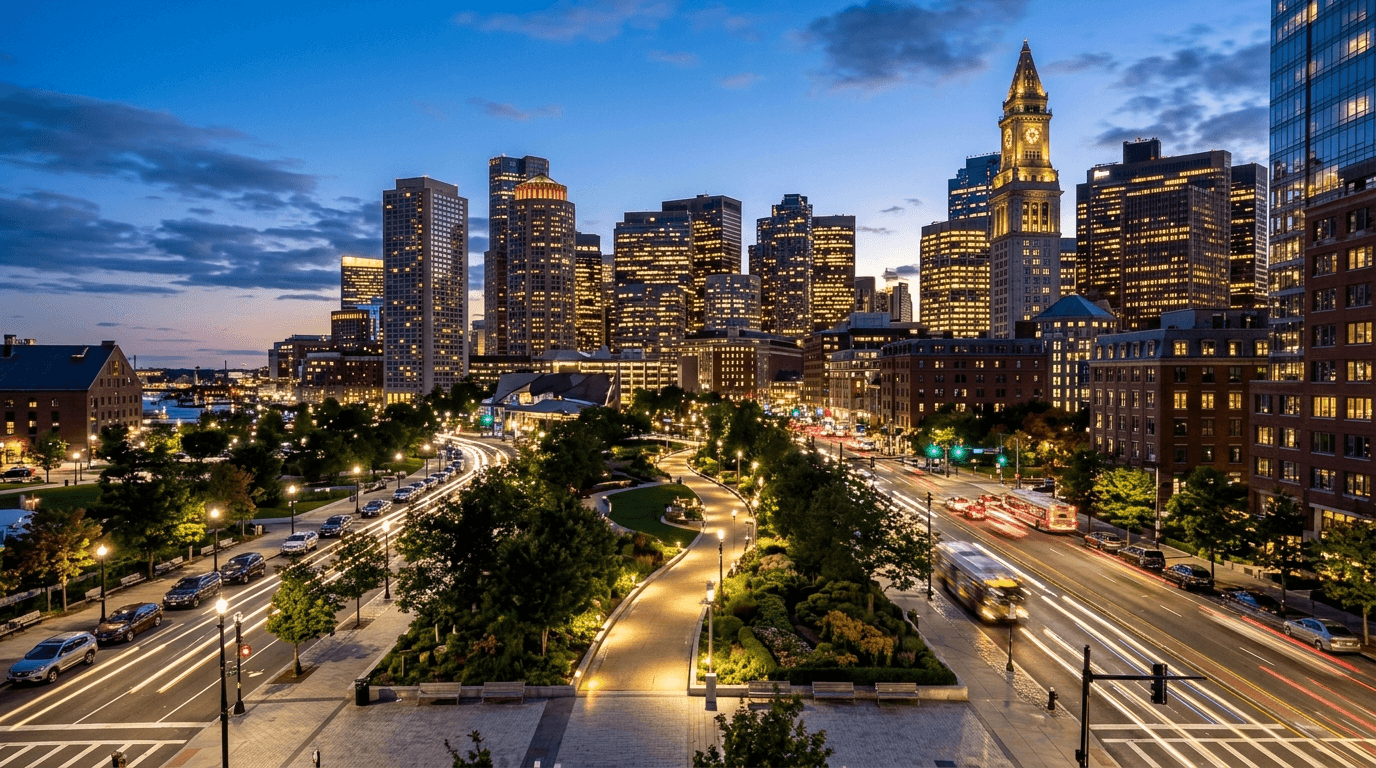
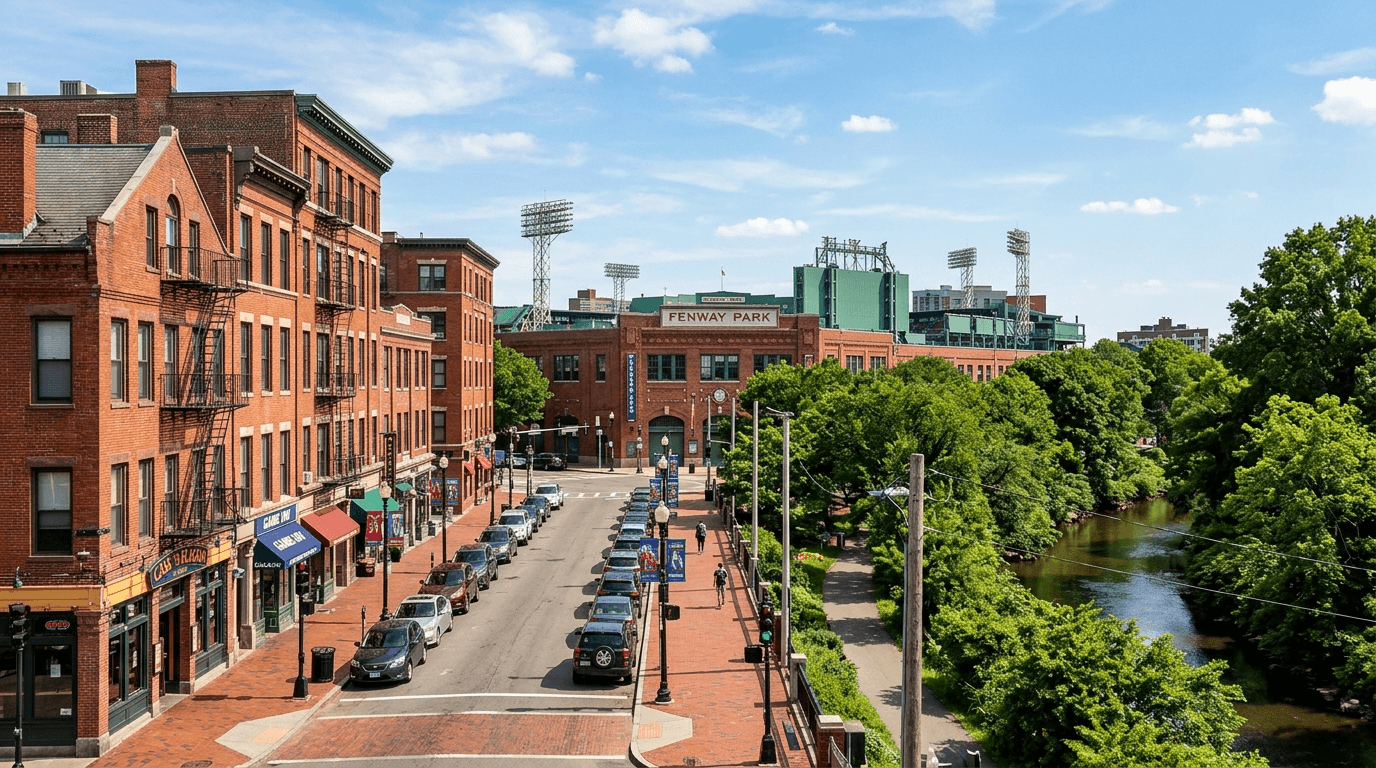
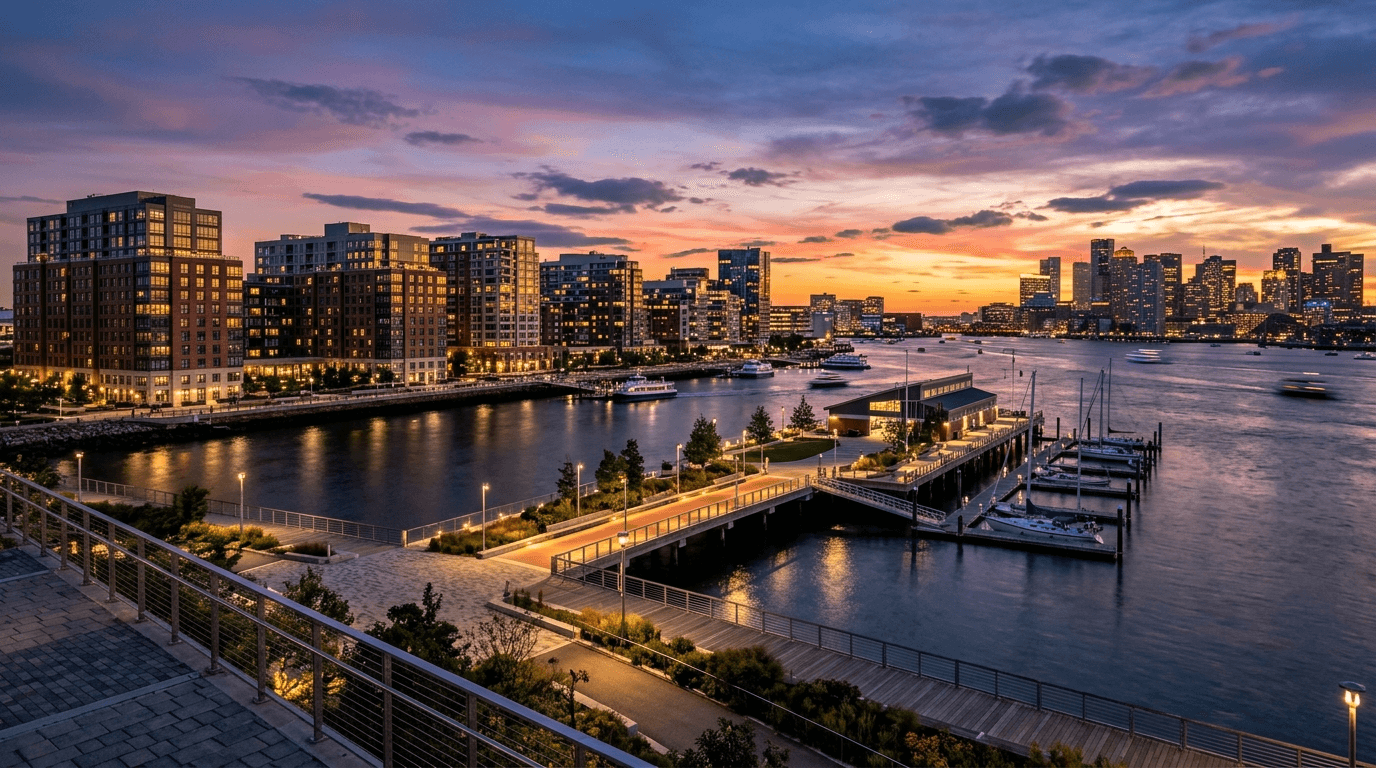
Downtown Boston packs the city's business, history, and nightlife into a few walkable square miles. The neighborhood takes in the Financial District, Downtown Crossing, and the blocks between Boston Common and the Rose Kennedy Greenway. If you're a young professional who wants to walk to work, drop the car payment, and live near the city's best restaurants and venues, few addresses in Greater Boston make a stronger case.
This guide reflects conditions as of November 2026. It covers the neighborhood's atmosphere, its housing stock, where locals spend their time, and how residents get around.
What Is It Like to Live in Downtown Boston?
Downtown Boston is busy, dense, and exceptionally walkable, and much of its pre-pandemic energy has returned. Weekdays move quickly, driven by the office crowd. Evenings and weekends are calmer but growing livelier, particularly around Downtown Crossing and the Greenway.
Is Downtown Boston walkable for young professionals?
Very. Downtown has a Walk Score of 96, which means most residents can reach groceries, gyms, coffee, the office, and the T within a few minutes on foot. That matters to the people who choose to live here. Among Boston-area young professionals, 80% rate access to public transportation as "very important," and 75% say the same about walking to amenities. Only 25% give on-street parking that rating.
On tours, clients coming from Brookline or Newton often notice how much of their weekly routine would no longer require a car. In Downtown, you can run Saturday errands, fit in a workout, and head out to dinner without touching your keys.
Is Downtown Boston busy again after the pandemic?
For the most part, yes. Monthly visitors fell to 330,000 in April 2020. By August 2026 they had climbed to 2.76 million, up from 2.51 million a year earlier and closing in on the pre-pandemic benchmark of roughly 3 million.
Downtown Boston Foot Traffic Recovery
Downtown activity has rebounded sharply from the 2020 low, reaching 2.76 million monthly visitors by August 2026—an important signal for buyers who want an energetic, amenity-rich urban core.
Downtown activity has rebounded sharply from the 2020 low, reaching 2.76 million monthly visitors by August 2026—an important signal for buyers who want an energetic, amenity-rich urban core.
The recovery isn't complete. Weekday foot traffic still sits around 75% of 2019 levels, and some residents describe parts of Downtown as quiet after 9 p.m., especially in the office-heavy Financial District.
Still, the momentum is real. Vacant storefronts around Downtown Crossing have dropped from a peak of 150 to about 75, a 50% decline from the 2023 high. The area has gained roughly 55 net new businesses. And during summer 2026, event crowds pushed bar spending up 86% and restaurant spending up 15%.
What is the social and professional scene like in Downtown?
Downtown remains the region's professional center. Office vacancy is still elevated, but it's trending in the right direction: the Downtown Boston Alliance area is down 320 basis points from its 2024 peak. Major tenants are also committing to the neighborhood, including JPMorgan Chase with a 250,000 sq ft lease at South Station Tower. For young professionals, that translates into networking events, after-work drinks, and a commute you can measure in blocks.
What Are Condos and Townhomes Like in Downtown Boston?
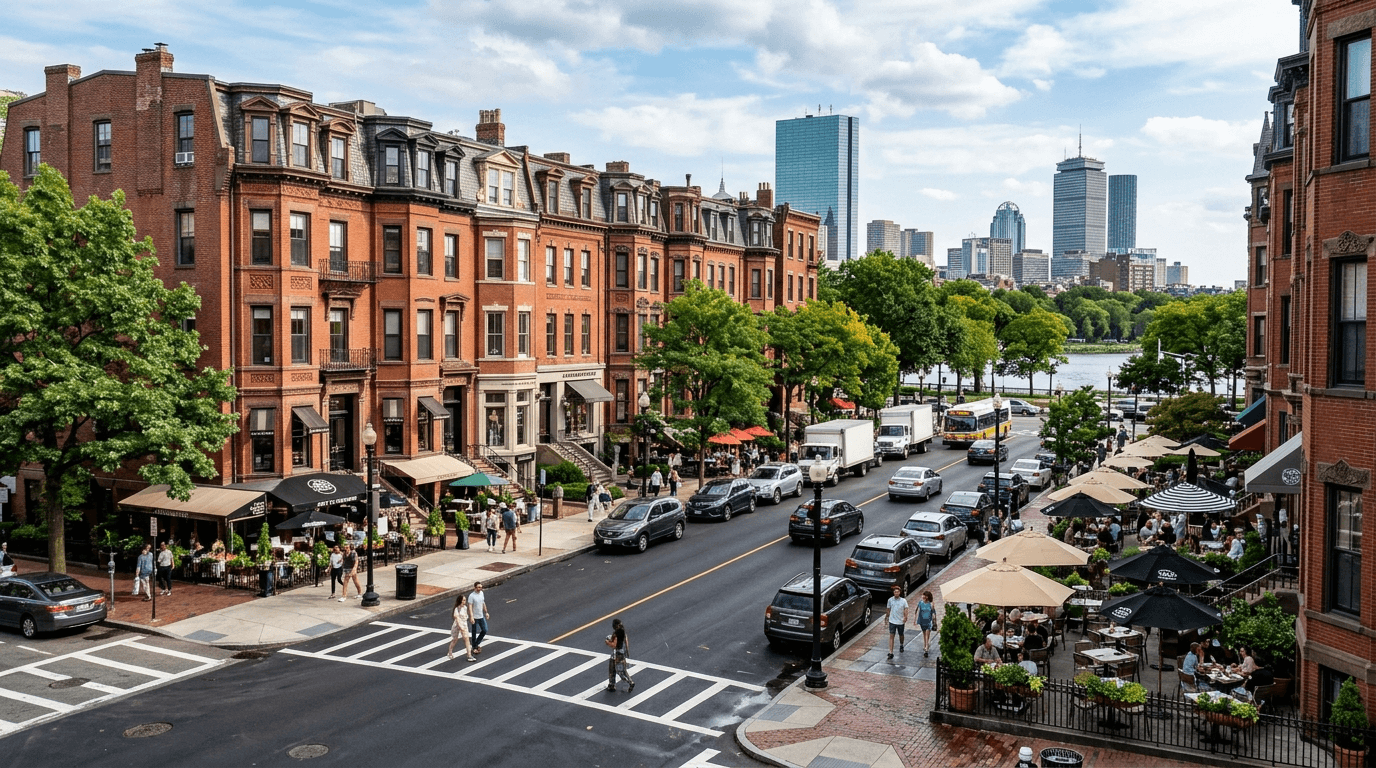
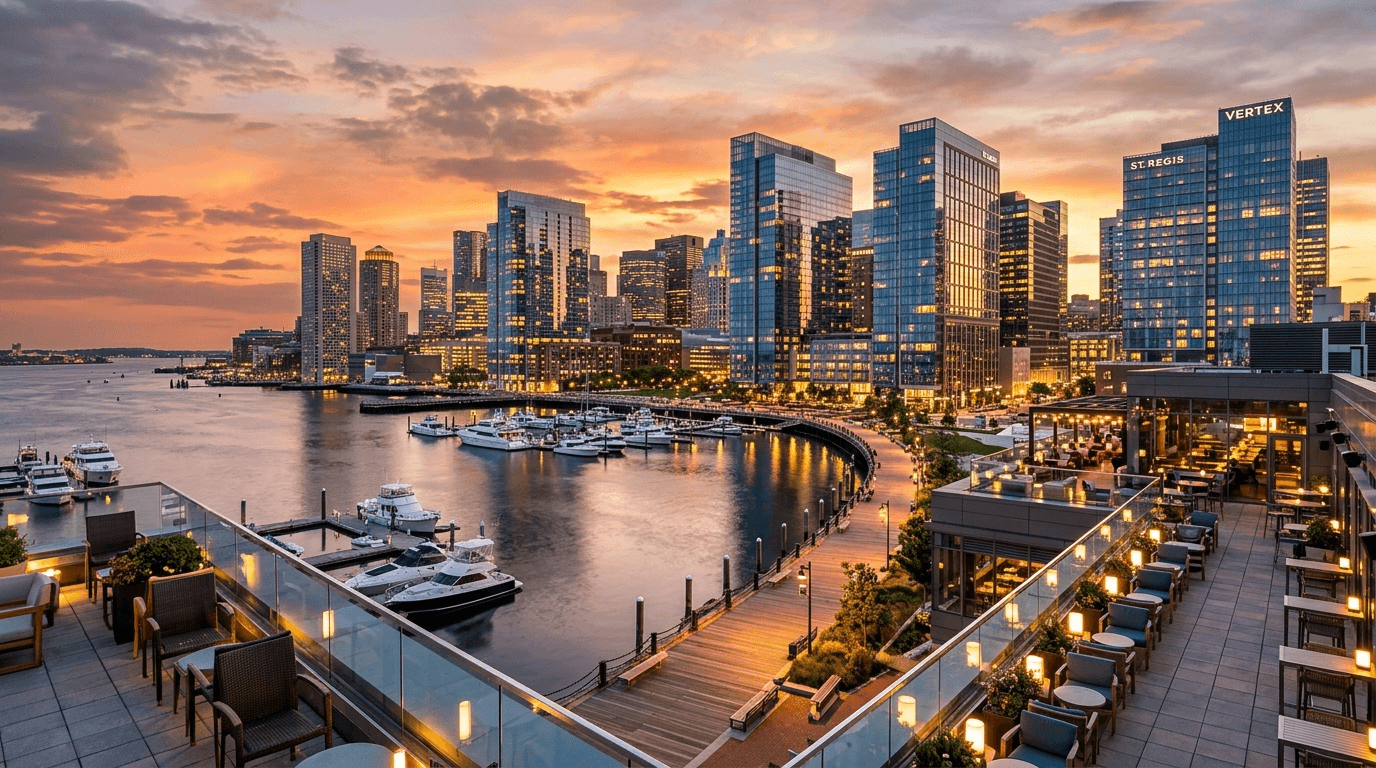
Downtown housing consists mostly of high-rise and mid-rise condominiums. You'll find glass-walled luxury towers, historic loft conversions, and a growing number of former office buildings reborn as apartments. Private square footage tends to be modest, so shared amenities like concierge service, fitness centers, and roof decks account for much of the value.
What architectural styles will I find in Downtown Boston?
Downtown's architecture is among the most varied in the city, and buildings from entirely different eras often share a block:
•Modern luxury towers. Expect floor-to-ceiling glass, skyline and harbor views, and full-service lobbies. Millennium Tower, at 60 stories and 684 feet, set the standard. The 51-story South Station Tower is the skyline's newest addition.
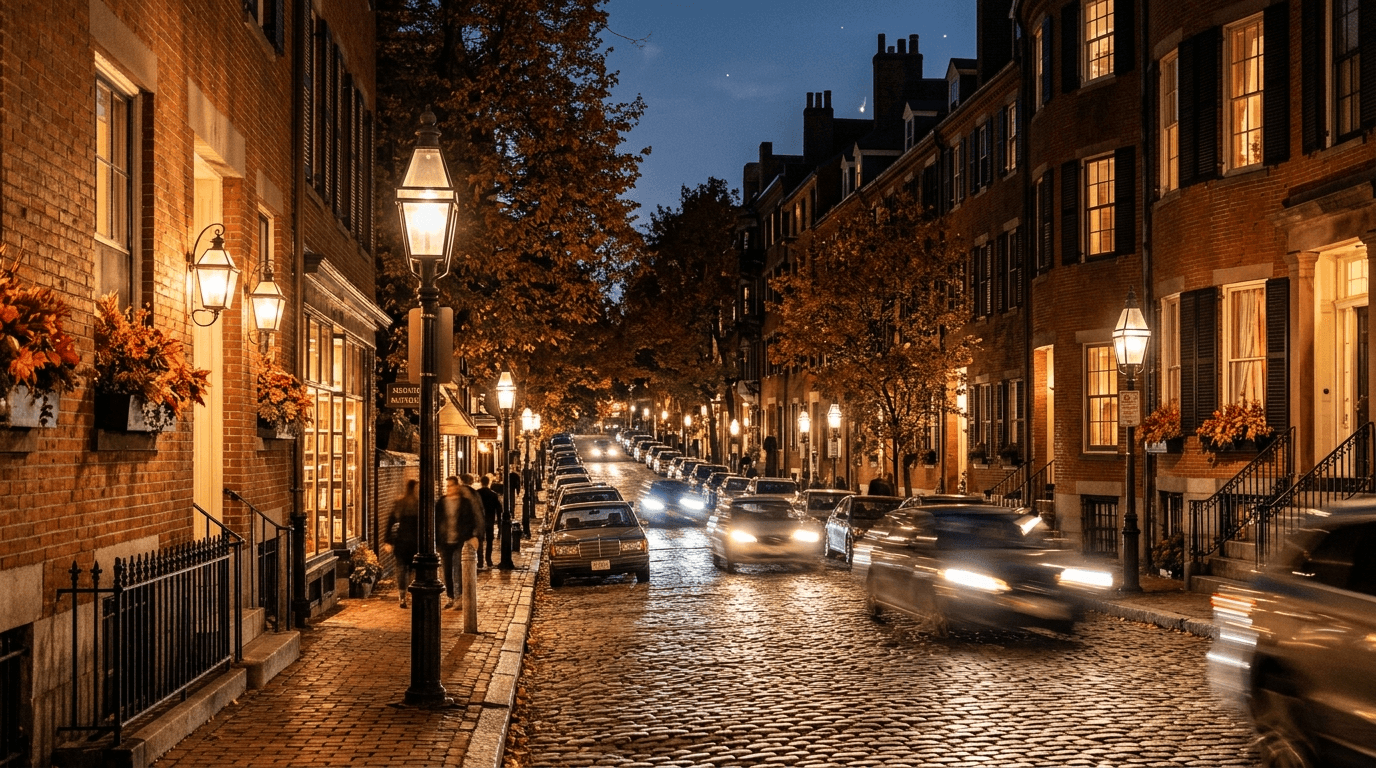
•Historic and loft conversions. Many of these late-1800s commercial buildings went up after the Great Fire of 1872 destroyed 776 buildings. Today they offer exposed brick, timber beams, oversized windows, and plenty of industrial character.
•Office-to-residential conversions. A newer category, covered in more detail below.
•Townhomes. These are rare in the commercial core. Buyers set on a true multi-level townhouse usually look at Downtown's edges or at nearby Beacon Hill and the South End.
Unlike Newton or Needham, Downtown has no lots, yards, or driveways. Your "lot size" is your unit's interior square footage, plus your share of the building's roof deck, gym, and lounge.
How much does it cost to rent in Downtown Boston?
Renting Downtown costs more than the citywide average. Across Boston, average apartment rent is $3,359, and the vacancy rate is a tight 3.17%. Downtown runs higher:
•Studio:$3,008
•One-bedroom:$3,793
•Two-bedroom:$5,101
•Three-bedroom:$6,454
Downtown Boston Rent by Apartment Size
Average monthly rents show the premium young professionals pay for a highly walkable downtown lifestyle, with one-bedrooms near $3,800 and two-bedrooms above $5,000.
Average monthly rents show the premium young professionals pay for a highly walkable downtown lifestyle, with one-bedrooms near $3,800 and two-bedrooms above $5,000.
For context, two-bedroom rents average $4,900 in the Seaport and $4,365 in Back Bay. Downtown sits at the premium end of the market, a reflection of both its location and the quality of its buildings.
How expensive is it to buy a condo in Downtown Boston?
Downtown ranks among Boston's most expensive condo submarkets, though prices vary widely between older resale units and new-construction towers. Borrowing costs deserve attention too. As of late September 2026, the 30-year fixed rate stood at 7.03%, and closing costs typically run 2% to 5% of the purchase price.
For first-time buyers, our advice is simple: compare building fees and carrying costs, not just list prices. Two units with similar asking prices can carry very different monthly costs once taxes and condo fees enter the picture.
Some clients love city living but are stretching their budget. For them, it's worth comparing Downtown with transit-connected inner suburbs, where condos often offer a lower entry point than single-family homes. In places like Newton, Belmont, Watertown, and Waltham, condos also tend to be the more affordable option.
Condo vs. Single-Family Prices in Key Greater Boston Markets
A side-by-side look at 2026 median prices highlights how condos can offer a lower entry point than single-family homes in transit-connected inner suburbs.
Newton
Belmont
Watertown
Waltham
A side-by-side look at 2026 median prices highlights how condos can offer a lower entry point than single-family homes in transit-connected inner suburbs.
What do HOA fees typically look like in Downtown Boston condos?
Plan for substantial monthly condo fees:
•Range in recent listings:$612 to $3,397 per month.
•Full-service buildings with concierge, gym, and amenities: typically $1,500 to $2,800 per month.
As for property taxes, Boston's FY2026 residential rate is $12.40 per $1,000 of assessed value. Owner-occupants who apply for the residential exemption save $4,353.74 a year, a meaningful benefit that investors don't receive.
Whenever we walk clients through a Downtown building, we pull the condo association's budget and reserve information. A low fee can look appealing right up until you discover an underfunded reserve and a façade or elevator project on the horizon.
Is new housing coming to Downtown Boston?
Yes. Boston's Office-to-Residential Conversion Program is reshaping the neighborhood's housing supply. The city has received 22 applications covering 27 buildings, with 1.2 million sq ft of office space slated for conversion. Those projects are expected to deliver 1,517 new homes, including 284 income-restricted units. Five projects (306 units) are already under construction, and 281 Franklin Street has 15 units occupied by tenants.
Office to Residential Conversion Program
A key downtown housing initiative converting underused office space into new homes—relevant for young professionals watching future supply, rental options, and neighborhood vitality.
For young professionals, this pipeline means more rental options over the next few years. It should also bring more residents onto the streets at night, which is precisely what Downtown's evening economy needs.
Where Do People Gather in Downtown Boston?
Locals spend their time in a handful of green spaces, the Downtown Crossing pedestrian zone, and along the Greenway. Theaters, galleries, and arenas are all a short walk away.
What are the best parks and outdoor spaces in Downtown Boston?
•Post Office Square serves as the Financial District's central lawn. On warm days it fills with office workers eating lunch outside, and it's a go-to meeting spot for after-work plans.
•The Rose Kennedy Greenway runs along Downtown's eastern edge, with seasonal markets, food trucks, public art, and summer events.
•Boston Common and the Public Garden anchor the western edge, hosting everything from winter skating on Frog Pond to summer concerts.
Where do Downtown residents eat, drink, and get coffee?
Downtown's coffee culture caters to commuters, with independent cafés and specialty roasters on nearly every block of the Financial District. Food halls and quick-service spots handle the weekday lunch rush. After dark, the scene shifts to cocktail bars, rooftop lounges, and restaurants around Downtown Crossing and along the edges of Chinatown and the Leather District.
Everyday errands are just as easy. Washington Street's pedestrian-only stretch through Downtown Crossing offers a full-size grocery store, pharmacies, and major retailers, all reachable on foot.
What cultural venues are near Downtown Boston?
Downtown sits right on top of the city's history. The Freedom Trail runs through the neighborhood, passing landmarks like the Old South Meeting House, built in 1729. A few blocks south, the Theater District hosts Broadway tours and the Boston Ballet. TD Garden, home of the Celtics and Bruins, is a short walk or a single T stop north. Boston has 58 museums in total, and many are just a quick ride away.
How Is the Commute from Downtown Boston?
Downtown has the best transit access in New England. Four subway lines, the Silver Line, commuter rail, and Amtrak all converge here, so most residents simply walk or take the T to work.
Which MBTA stations serve Downtown Boston?
Major transfer stations ring the neighborhood:
•Downtown Crossing – Red and Orange Lines, plus the Silver Line SL5.
•Park Street – Red and Green Lines. The Green Line provides light rail service to Back Bay, Fenway, Brookline, and Newton.
•State Street – Orange and Blue Lines. The Blue Line connects to Logan Airport and East Boston.
•Government Center – Green and Blue Lines.
•South Station – Red Line, Silver Line (SL1 to Logan Airport, SL2/SL3 to the Seaport), commuter rail to the South Shore and MetroWest, and Amtrak to New York and beyond.
Ridership continues to rebound. Commuter rail is running at about 90% of pre-COVID levels, averaging 110,000+ monthly rides.
How long is the commute from Downtown Boston to Cambridge, the Seaport, and the suburbs?
Thanks to its central location, Downtown keeps most commutes short:
•Cambridge (Kendall/MIT, Harvard): just a few stops on the Red Line.
•Seaport: the Silver Line from South Station, or a walk across the Fort Point Channel.
•Back Bay: the Green or Orange Line, or a stroll through the Common and Public Garden.
•Brookline and Newton: a direct Green Line ride, convenient if you work in the suburbs or have family there.
Is Downtown Boston bike-friendly?
More and more. Protected and separated bike lanes now link Downtown to the Back Bay, the South End, and the Charles River paths. Bluebikes docks are scattered throughout the core, and e-scooters cover shorter trips. That lines up with local priorities: 59% of Boston-area young professionals consider bike lanes and paths very or somewhat important.
Do you need a car in Downtown Boston?
Most residents don't. Car ownership is expensive here, and parking in Downtown buildings comes at a premium. Regional traffic takes its toll as well, with Boston drivers losing an estimated 79 to 150 hours a year to congestion, depending on the source.
If you do drive, highway access is excellent:
•I-93 runs beneath the Greenway.
•The Mass Pike (I-90) begins just south of South Station.
Many of our Downtown clients keep a car garaged for weekend getaways. Others skip ownership altogether and rent when they need one.
Is Downtown Boston the Right Fit for You?
Downtown suits young professionals who prioritize walkability, transit, and being at the center of things over private space and quiet streets. Rents and condo fees run higher than in most Boston neighborhoods. In return, you get a short walk to work, a nightlife and retail scene clearly on the rise, and a residential community that keeps growing as office conversions come online.
If you're weighing Downtown against Back Bay, the Seaport, or a condo in Brookline or Newton, the right choice depends on your budget, your commute, and how long you plan to stay. Bring us your questions. We'll tell you what we know, what we don't, and what we'd do in your position.
Local Spots & Favorites
Explore Boston, MA Neighborhoods
Dive deeper into the specific villages and communities that make Boston, MA unique.
Is Downtown Boston, MA a good place to live for young professionals and small families?
Downtown Boston, MA is best suited to residents who value walkability, transit access, and being close to work, restaurants, retail, parks, and cultural venues. It is dense and busy during the week, with calmer evenings and weekends in some office-heavy areas.
Families or buyers who want private outdoor space, driveways, quiet streets, or larger homes may find Downtown less practical than nearby residential neighborhoods.
What types of condos and townhomes are available in Downtown Boston, MA?
Downtown Boston housing is mostly high-rise and mid-rise condominiums, including modern luxury towers, historic loft conversions, and office-to-residential conversions. Many buildings offer amenities such as concierge service, fitness centers, lounges, and roof decks.
Townhomes are uncommon in the commercial core. Buyers looking for true multi-level townhouse living usually consider the edges of Downtown or nearby areas such as Beacon Hill and the South End.
How much does it cost to rent in Downtown Boston, MA?
Downtown Boston rents are above the citywide average. Average rents are about $3,008 for a studio, $3,793 for a one-bedroom, $5,101 for a two-bedroom, and $6,454 for a three-bedroom.
Boston’s overall average apartment rent is $3,359, with a tight citywide vacancy rate of 3.17%, and Downtown sits at the premium end of the market because of its location and building quality.
How expensive are HOA fees for Downtown Boston, MA condos?
Downtown Boston condo fees are often substantial. Recent listings show monthly fees ranging from $612 to $3,397, while full-service buildings with concierge, gyms, and other amenities commonly run about $1,500 to $2,800 per month.
Buyers should compare total monthly carrying costs, including taxes and condo fees, not just the listing price. Boston’s FY2026 residential tax rate is $12.40 per $1,000 of assessed value, and qualifying owner-occupants can save $4,353.74 annually through the residential exemption.
What should families know about schools in Downtown Boston, MA?
Downtown Boston is primarily described by its walkability, transit access, condo housing, parks, and proximity to cultural venues rather than by school-specific data. Families considering the area should confirm current school assignment details before making a housing decision.
The neighborhood does offer access to major public spaces such as Boston Common, the Public Garden, Post Office Square, and the Rose Kennedy Greenway, along with nearby museums, theaters, and historic sites.
Do you need a car in Downtown Boston, MA?
Most Downtown Boston residents do not need a car. The neighborhood has a Walk Score of 96, and groceries, gyms, coffee, offices, retail, and MBTA stations are typically within a short walk.
Parking in Downtown buildings carries a premium, and Boston traffic is significant, with drivers losing an estimated 79 to 150 hours per year to congestion. Many residents either skip car ownership or keep a garaged car mainly for weekend trips.
How is the commute from Downtown Boston, MA to Cambridge, the Seaport, and other areas?
Downtown Boston has some of the strongest transit access in New England, with the Red, Orange, Green, and Blue Lines, the Silver Line, commuter rail, and Amtrak all converging nearby. Major stations include Downtown Crossing, Park Street, State Street, Government Center, and South Station.
Cambridge is a few Red Line stops away, the Seaport is accessible by Silver Line or on foot from South Station, and Back Bay is reachable by Green Line, Orange Line, or a walk through the Common and Public Garden.
Is new housing being built in Downtown Boston, MA?
Yes. Boston’s Office-to-Residential Conversion Program is adding new housing in Downtown, with 22 applications covering 27 buildings and 1.2 million square feet of office space planned for conversion.
These projects are expected to create 1,517 new homes, including 284 income-restricted units. Five projects totaling 306 units are under construction, and 281 Franklin Street already has 15 tenanted units.
Why work with Beacon & Bond Group in Downtown, Boston?
Beacon & Bond Group helps buyers and sellers in Boston, Brookline, Newton, Needham, Dedham and Milton. More than 80 clients served since 2020. Let's talk about your plans. Track record — Experience: 16+ Years; Sales Volume: $85M+; Transaction Count: 90+. Call (857) 260-7924 or send a message through the contact page.