Living in Fenway-Kenmore: The Essential Guide to Condos, Culture, and Car-Optional Boston Living
Explore Fenway-Kenmore’s urban vibe: 1.24 sq mi, ZIPs 02115/02215, Green Line access, Fenway Park, MFA, condos and rents.
Written ByTyler Smith
PublishedNovember 5, 2026
Beacon & Bond Group helps buyers and sellers in Boston, Brookline, Newton, Needham, Dedham and Milton. More than 80 clients served since 2020. Let's talk about your plans. Serving Boston, Brookline, Newton, Dedham, Needham and Milton, MA.
Fenway-Kenmore covers roughly 1.24 square miles across ZIP codes 02115 and 02215, and it packs a remarkable amount into that space: a major league ballpark, two world-class museums, the Longwood Medical Area, several universities, and a stretch of the Emerald Necklace. For young professionals who want to walk to work, to dinner, and to a Friday night show, few Boston neighborhoods come close. Below, we cover what daily life actually feels like, what the housing market offers, where people gather, and how residents get around.
What Is It Like to Live in Fenway-Kenmore?
Fenway-Kenmore is busy, young, and thoroughly urban. It's a great match for people who want energy, culture, and transit right outside the door. If you're after quiet, look elsewhere. The neighborhood is home to about 31,374 residents with a median age in the low-to-mid 20s, and on game days and concert nights, the streets fill with crowds.
People often call it "college town meets sports cathedral." That's fair, but it misses the museums, the medical campus, and the parkland that make the neighborhood distinctive. In resident surveys, events and festivals, museums, public transit, urban energy, and walkability consistently rank as the top strengths, and overall neighborhood satisfaction averages 8.7/10 across resident reviews.
Is Fenway-Kenmore Too Noisy for Young Professionals?
That depends on the block. When we tour homes with clients here, our first question is simple: where will you be on a Tuesday night in July? A unit near Lansdowne Street or Jersey Street gets the full Red Sox experience, which residents fairly describe as "chaotic." Not surprisingly, peace and quiet ranks among the neighborhood's lowest scores.
Still, a few blocks can change everything:
•The Fenway residential streets around Peterborough, Queensberry, Park Drive, and the Back Bay Fens feel noticeably calmer once you're away from the ballpark.
•The East Fens near Symphony and Westland Avenue offer more brownstone-lined streets.
•Kenmore Square is the most intense corner of the neighborhood, with nightlife, stadium traffic, and a steady flow of Boston University students.
How Close Is Fenway-Kenmore to Parks and Green Space?
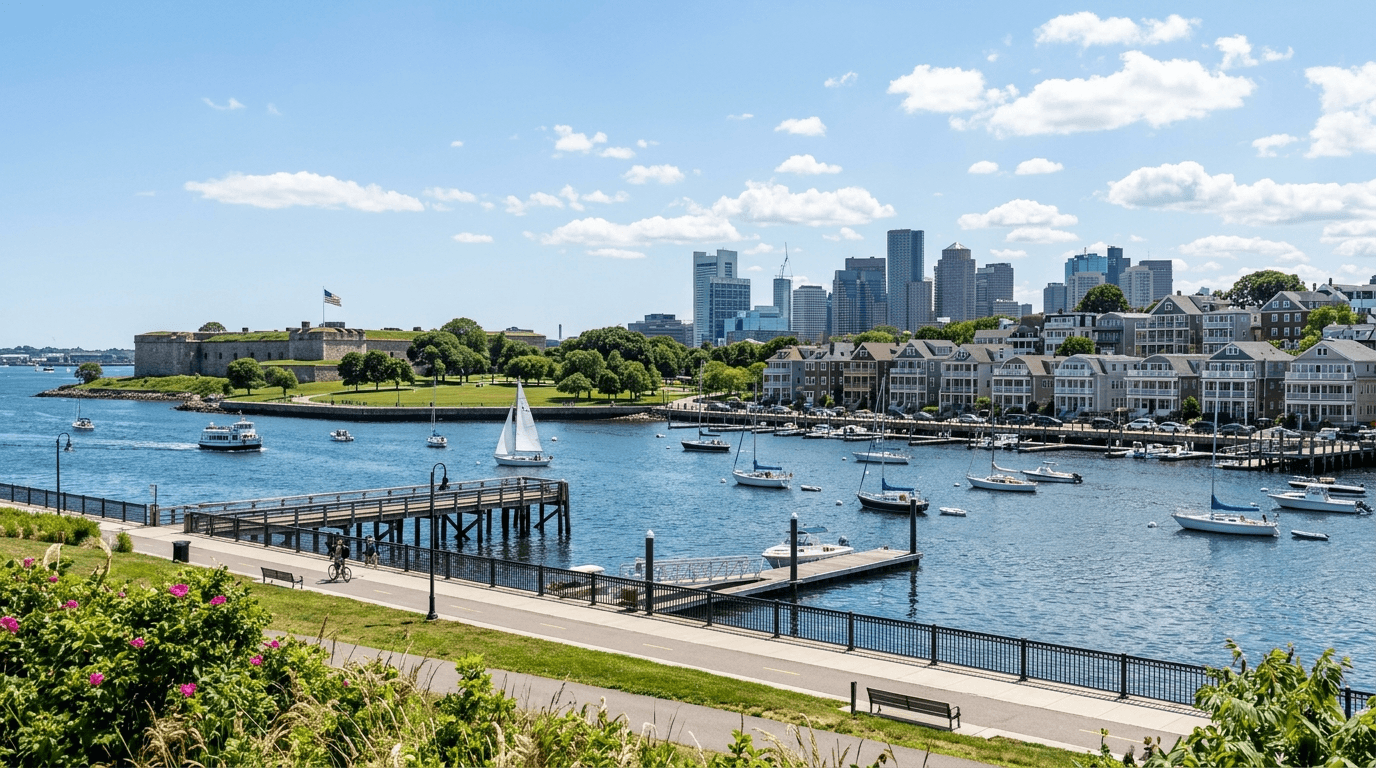
Very close. The Back Bay Fens, part of Frederick Law Olmsted's Emerald Necklace, runs right through the heart of the neighborhood. Highlights include:
•the James P. Kelleher Rose Garden,
•the Fenway Victory Gardens, and
•walking paths that connect along the Riverway toward Jamaica Pond.
This often surprises buyers coming from Back Bay or the South End. You can live in dense housing and still be a short walk from genuine parkland. From the Kenmore side, the Charles River Esplanade is within walking distance, too.
There are gaps, though. Playgrounds and family-oriented amenities score low, and only a small share of residents are under 15. This is a neighborhood built for adults.
What Are Condos and Homes Like in Fenway-Kenmore?
Almost everything here is multi-unit housing, and it generally falls into two camps:
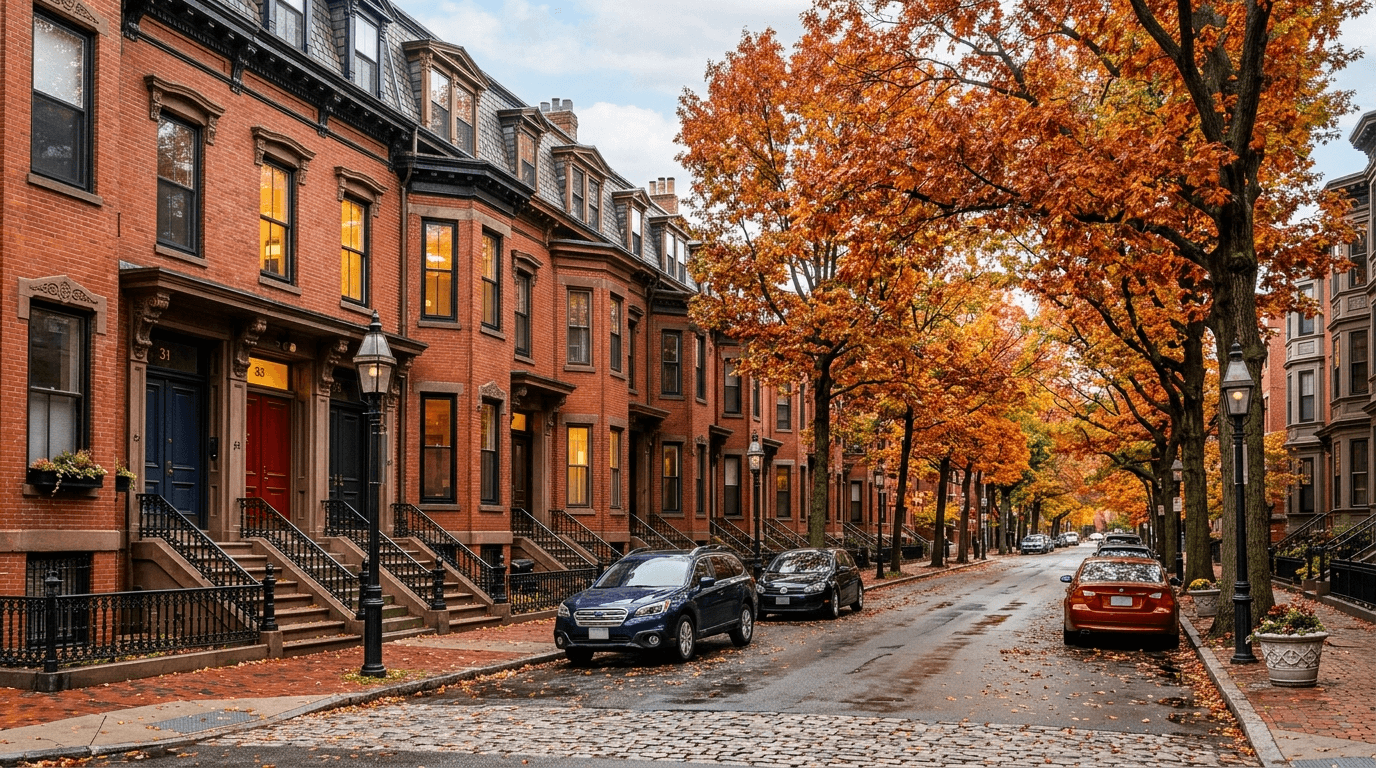
•turn-of-the-century brick and brownstone row buildings, many converted into condos, and
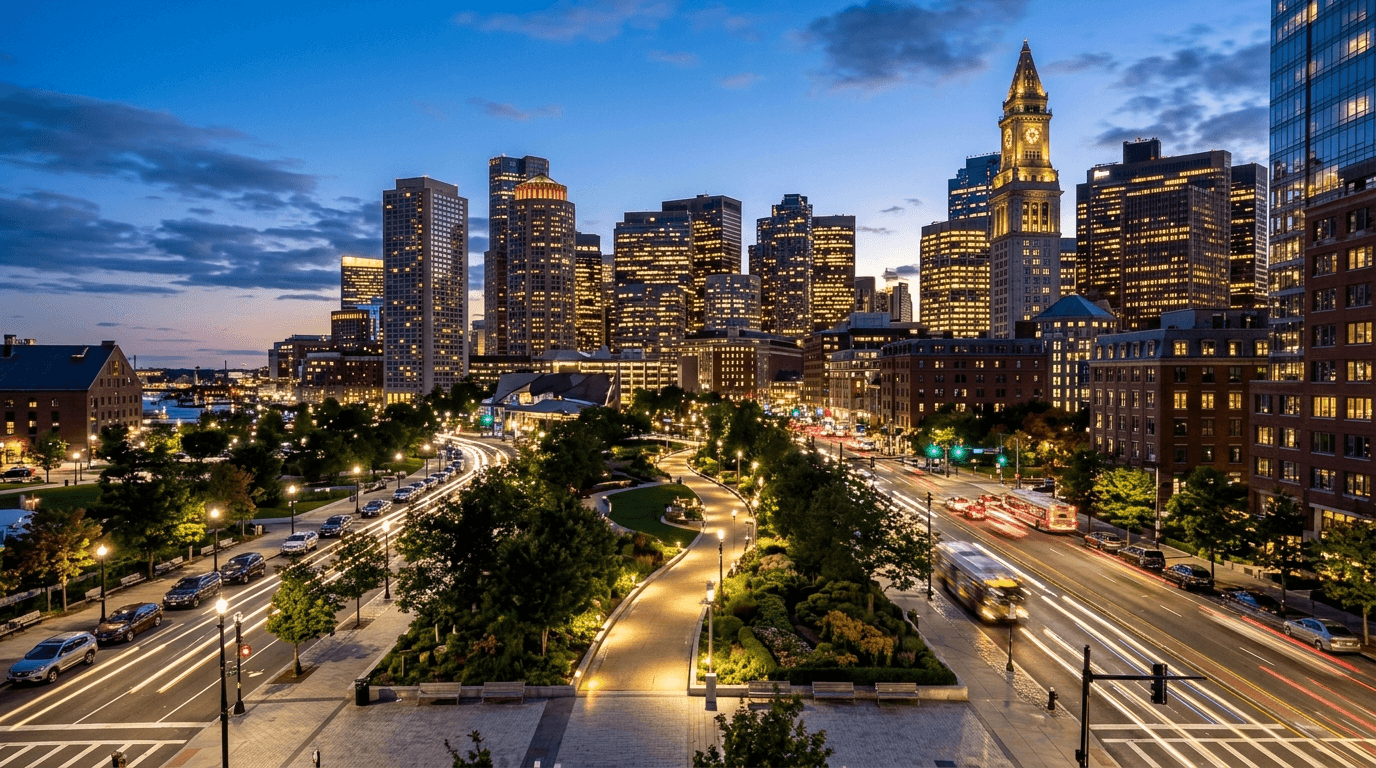
•newer full-service towers along Boylston Street and around Kenmore Square.
Single-family homes account for roughly 1% of the housing stock, while about 27% of units are in buildings with 50 or more units.
What Architectural Styles Will You Find in Fenway-Kenmore?
The housing stock breaks down into three broad groups:
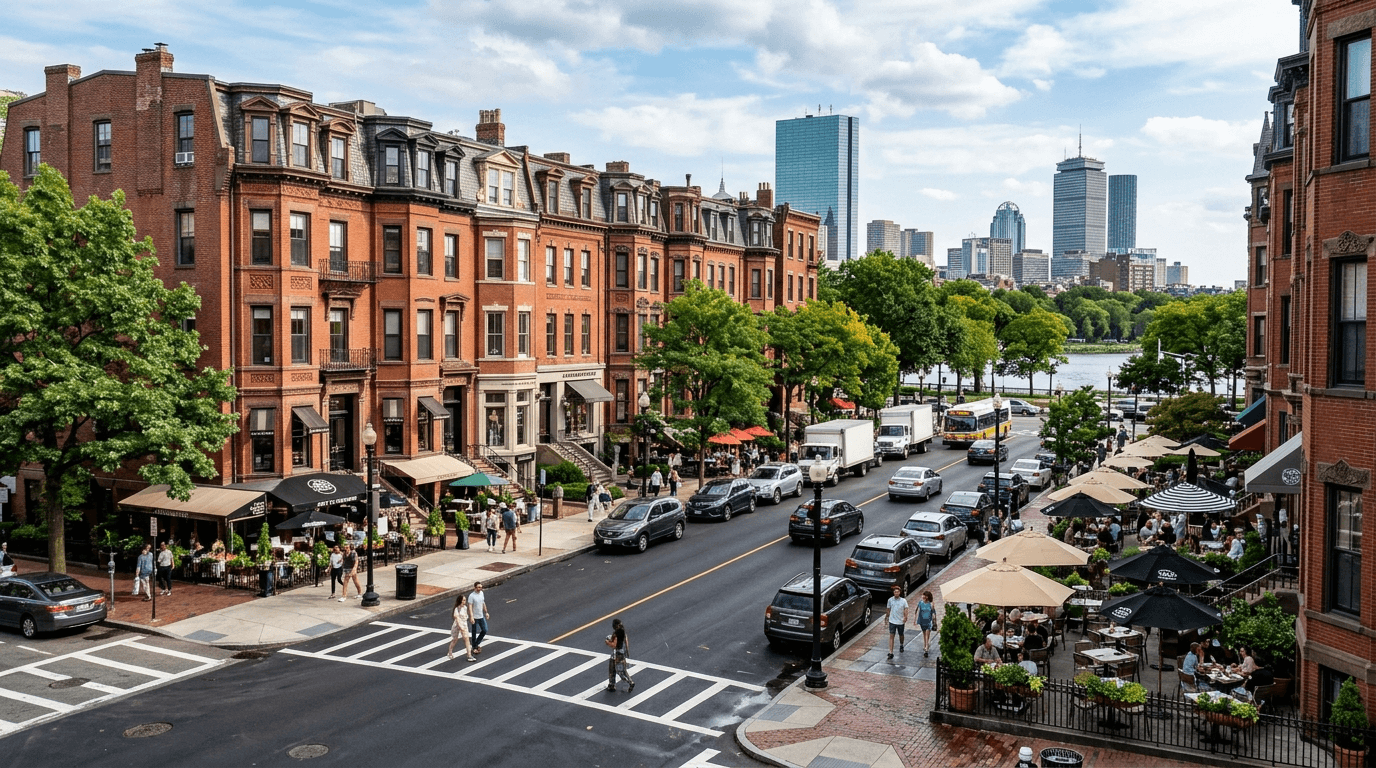
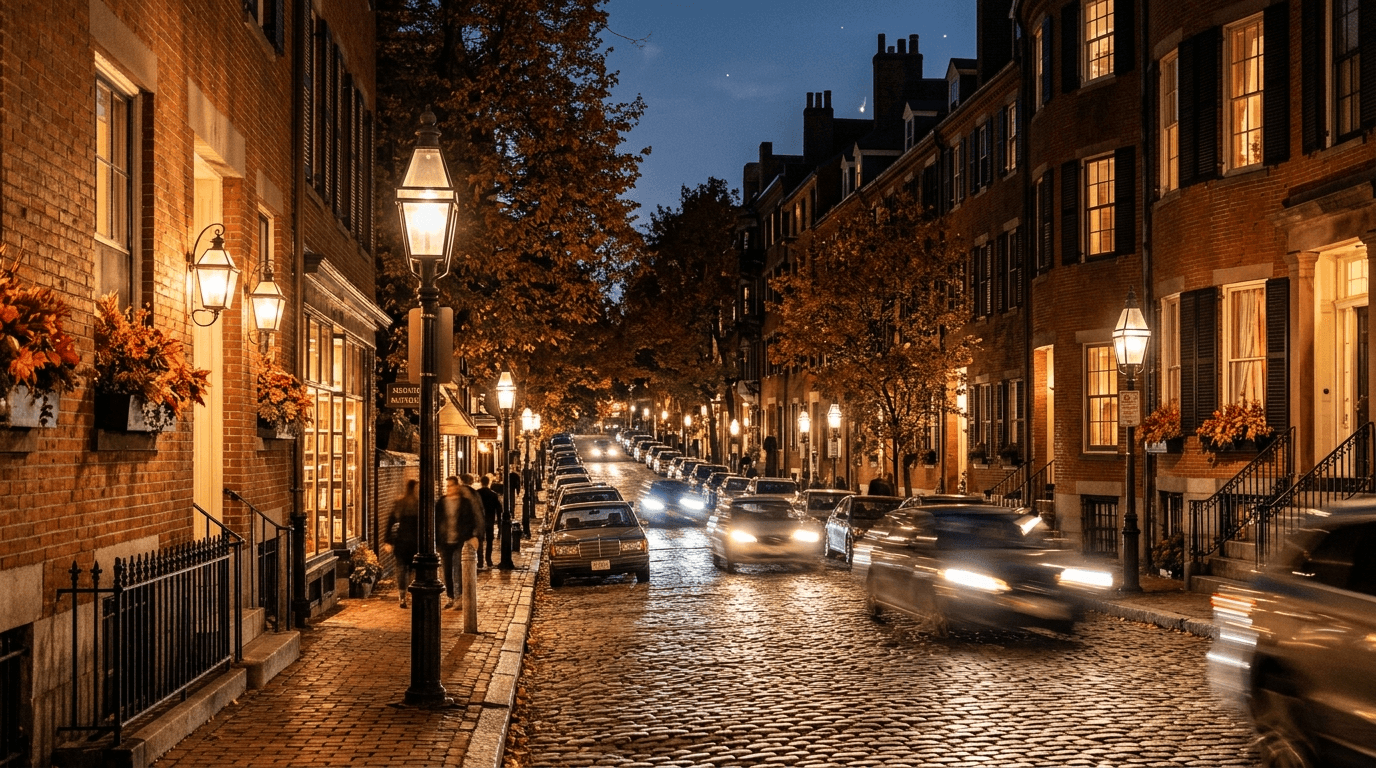
•Historic brick and brownstone buildings. Dating from the late 1800s and early 1900s, these line streets like Hemenway, Westland, Gainsborough, and the Fens-facing blocks. Expect bay windows, original details, walk-up layouts, and small, professionally managed condo associations.
•Prewar and mid-century apartment buildings. Now converted to condos along Park Drive and Beacon Street, these often deliver the best value per square foot in the neighborhood.
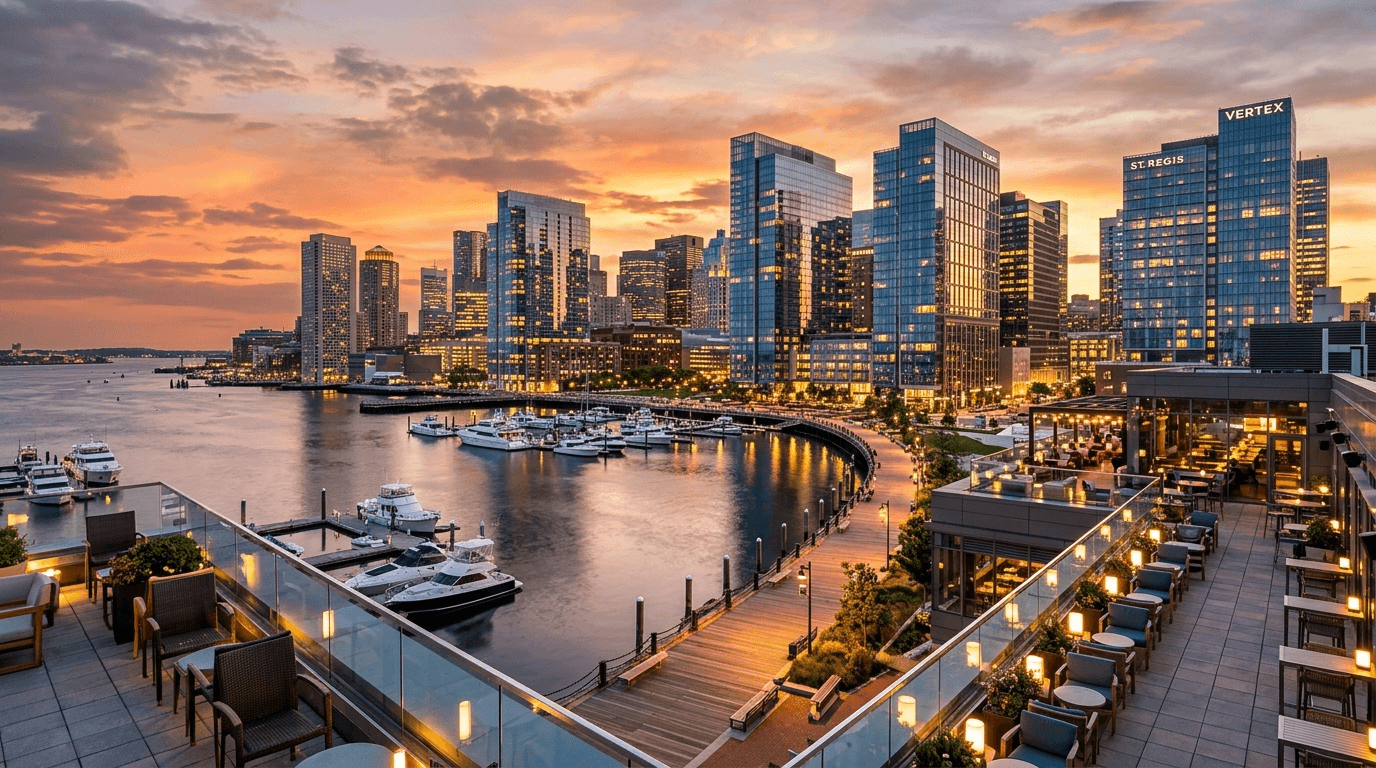
•Modern luxury towers and mid-rises. Pierce Boston and the newer buildings on Boylston Street, including Trilogy (576 units) and 1330 Boylston (210 units), offer concierge service, gyms, roof decks, and garage parking. The planned One Kenmore project (525 units) will bring even more density near the square.
What Are Typical Unit Sizes and Lot Sizes in Fenway-Kenmore?
Lot size is largely beside the point here. Most buildings cover nearly their entire parcel, and private yards are rare. Floor plans tend to be compact and efficient:
•A typical one-bedroom runs about 600 square feet.
•The average household is just 1.69 people.
These layouts work well for busy professionals who would rather be out enjoying the city than maintaining extra square footage. If you're bringing a car, budget $350–$500 per month for garage parking. That expense alone pushes many residents to go car-free.
Are Fenway-Kenmore Condos a Good Long-Term Investment?
Prices have climbed steadily over the past five years, fueled by demand from the Longwood Medical Area, nearby universities, and easy access to Back Bay. On a price-per-square-foot basis, sold condo values rose from $1,026/sqft in 2022 to $1,164/sqft in 2026.
5-Year Condo Price Momentum: Sold $/Sqft
Fenway-Kenmore condo pricing has climbed steadily on a price-per-square-foot basis, rising from $1,026/sqft in 2022 to $1,164/sqft in 2026.
Fenway-Kenmore condo pricing has climbed steadily on a price-per-square-foot basis, rising from $1,026/sqft in 2022 to $1,164/sqft in 2026.
At the moment, buyers have some breathing room. Current conditions leave space to negotiate, compare buildings, and review condo documents carefully before committing. The snapshot below captures the headline numbers.
Fenway-Kenmore 2026 Condo Market Snapshot
Headline October 2026 condo metrics for young professionals weighing whether to buy into Fenway-Kenmore’s dense, transit-rich market.
•Major employers. Anchor institutions include Brigham and Women's, Boston Children's, Beth Israel Deaconess, Dana-Farber, Harvard Medical School, BU, Northeastern, Berklee, and MassArt. Together, they generate a steady stream of renters and buyers.
•A large rental market. Roughly 91–92% of households rent, which makes investor ownership common.
When clients weigh this area against neighboring Brookline, the tradeoff is usually clear. Brookline offers more space and quieter streets. Fenway-Kenmore offers more city for the money and a far more liquid rental market.
What Does It Cost to Rent in Fenway-Kenmore?
Most young professionals start here as renters, and rents rise steeply with unit size.
Median Monthly Rents by Apartment Size
Rents jump sharply for larger apartments, with the reported 2-bedroom median more than double the 1-bedroom median.
Rents jump sharply for larger apartments, with the reported 2-bedroom median more than double the 1-bedroom median.
Median rents come in around $2,460 for a studio, $2,895 for a one-bedroom, and $6,475 for a two-bedroom. Keep in mind that luxury inventory pulls the two-bedroom median upward, so many renters will find lower prices in older walk-up buildings.
In full-service buildings like The Viridian and The Bon, one-bedrooms list for around $3,650–$3,700.
What Are Property Taxes Like for Fenway-Kenmore Condos?
Living in your unit can cut your tax bill substantially. Boston offers owner-occupants a residential exemption that reduces the taxable portion of a home's assessed value. Investors and second-home owners don't qualify, so they pay tax on the full assessed value. For current figures, check the City of Boston's published FY2026 residential rate and exemption amount.
If you're deciding between buying to live in and buying to rent out, that difference matters.
Where Do People Gather in Fenway-Kenmore?
Social life revolves around three hubs: Fenway Park and Lansdowne Street, the museum district along the Fens, and the Boylston Street dining corridor. Most residents make use of all three in a typical week.
What Is There to Do Around Fenway Park and Lansdowne Street?
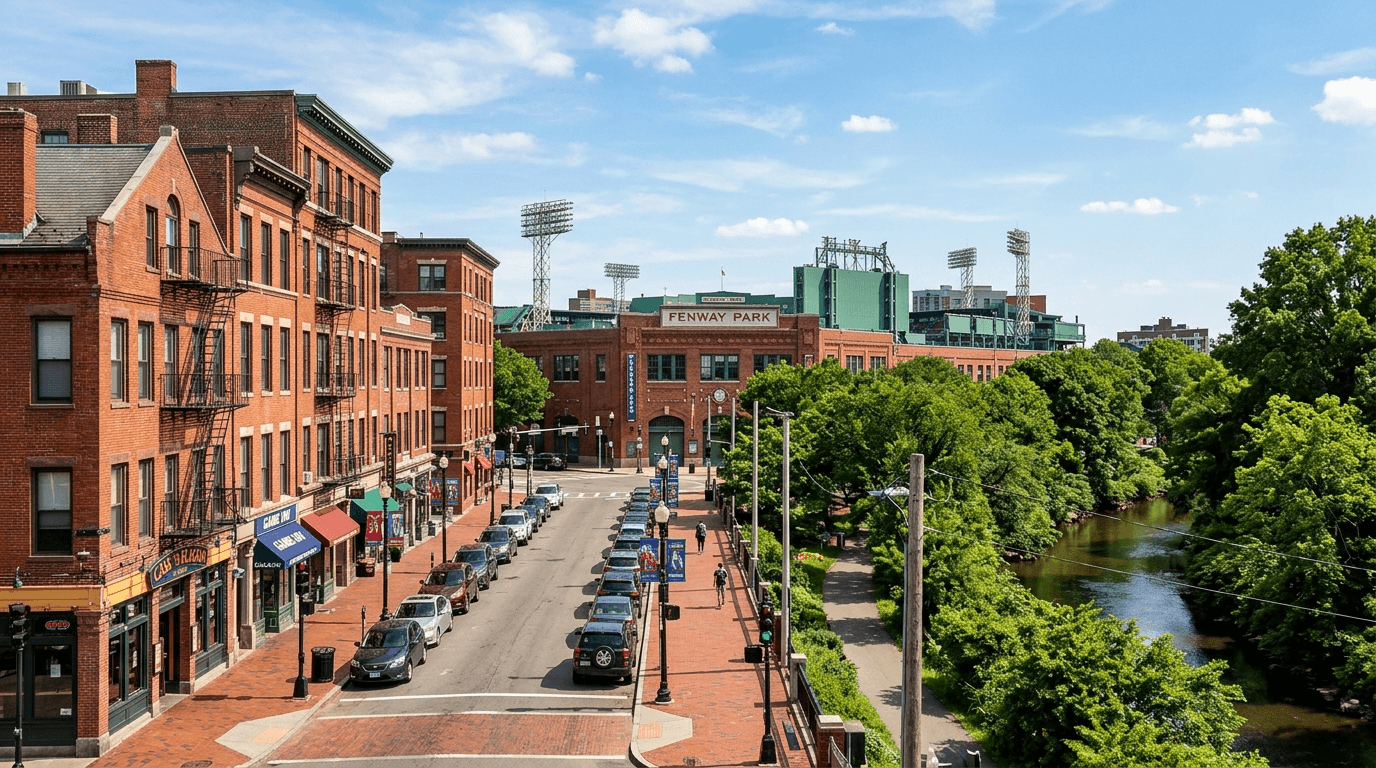
Fenway Park is the neighborhood's anchor. From April through October, pregame crowds pack the surrounding streets, and the Lansdowne Street entertainment district keeps going long after the final out. The House of Blues hosts major touring acts, and the bars and venues along Lansdowne and Brookline Avenue stay lively year-round.
Over in Kenmore Square, Row 34 has become a favorite for oysters and a more relaxed dinner before or after events.
Which Museums and Cultural Institutions Are in Fenway-Kenmore?
Two of Boston's finest museums sit just a few blocks apart along the Fens:
•The Museum of Fine Arts (MFA) is one of the largest art museums in the country and a regular stop for after-work events.
•The Isabella Stewart Gardner Museum pairs a Venetian-style palazzo and courtyard garden with a contemporary wing, and its intimate concerts draw a loyal local following.
Add Symphony Hall on the neighborhood's eastern edge and the music schools around Berklee, and you have cultural programming nearly every night of the week.
Where Do Fenway-Kenmore Residents Eat and Grab Groceries?
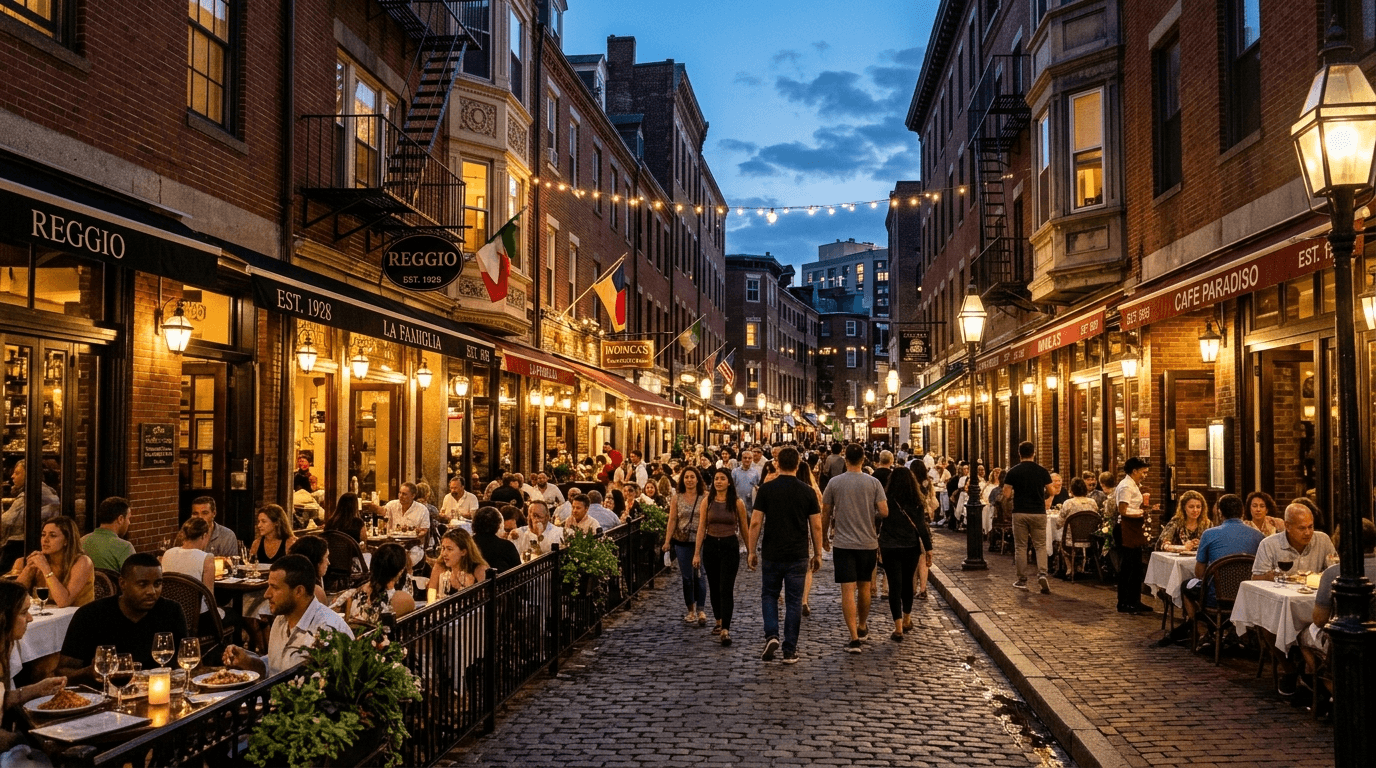
Boylston Street is the neighborhood's dining spine. Time Out Market Boston anchors the strip with a food hall that works equally well for a quick weeknight dinner or a group outing. Restaurants, fast-casual spots, and coffee shops fill the corridor between the Fens and Kenmore.
Grocery runs are simple:
•A Star Market and a Whole Foods are both within the neighborhood.
•Corner shops like Hemenway Variety in the East Fens handle the everyday basics that make car-free living practical.
How Do You Commute From Fenway-Kenmore?
Most residents walk to work, and Fenway-Kenmore ranks among Boston's most transit-rich, car-optional neighborhoods. Multiple Green Line branches, commuter rail at Lansdowne, Orange Line stations at its edges, and several key bus routes all serve the area. The average commute is about 24 minutes, and 68.3% of residents get to work on foot.
How Fenway-Kenmore Residents Commute
The commute profile reinforces Fenway-Kenmore’s urban, car-optional lifestyle: walking dominates at 68.3%, while cars account for 18%.
TOTAL
Walk
68.3%
Car
18%
Bus or trolleybus
7.9%
Bicycle
3.7%
The commute profile reinforces Fenway-Kenmore’s urban, car-optional lifestyle: walking dominates at 68.3%, while cars account for 18%.
Few places in the city have this much Green Line coverage:
•Kenmore station serves the B, C, and D branches. As the main hub, it offers direct trips through Back Bay to Downtown and Government Center.
•Fenway station sits on the D branch, convenient for the Fenway residential blocks and the Longwood side, with service out toward Brookline and Newton.
•Hynes Convention Center station serves the B, C, and D branches along the northeastern edge near Mass Ave.
•E branch stops run along Huntington Avenue, including Symphony, Northeastern, Museum of Fine Arts, and Longwood Medical Area, making them ideal for hospital and university commuters.
Is There Commuter Rail and Bus Service in Fenway-Kenmore?
Yes.Lansdowne station, directly behind Fenway Park, sits on the Framingham/Worcester commuter rail line, with quick trips into South Station and reverse commutes to the MetroWest suburbs. For many of our clients who work outside the city, this connection seals the deal.
Additional options include:
•The Orange Line stations at Mass Ave and Ruggles, which border the neighborhood.
•Bus routes such as the 19, 57, 60, and CT3, connecting to Kenmore, Brookline, Allston, and the Longwood Medical Area.
How Walkable and Bikeable Is Fenway-Kenmore?
Extremely walkable. Approximate travel times:
•Back Bay: about 15 minutes on foot
•Longwood Medical Area:10–20 minutes on foot from most addresses
•Downtown: an easy bike ride via Commonwealth Avenue, the Fens paths, or the Southwest Corridor
About 3.7% of residents commute by bike, and Bluebikes stations are spread throughout the area.
What Transportation Projects Should Fenway-Kenmore Residents Watch?
Some intersections remain a well-known problem. The area around Park Drive, Boylston Street, and Brookline Avenue is a state- and federally designated top crash location, and a long-planned safety redesign has been delayed repeatedly. If you walk or bike through that crossing every day, this is a project worth following.
$8.15 MillionProject Value
Fenway Intersection Safety Project
A high-profile mobility and safety initiative near Park Drive, Boylston Street, and Brookline Avenue has faced a long timeline and delayed funding, making it a key infrastructure watch item for residents who walk, bike, and transit through the area.
Fenway-Kenmore is right for you if you want to walk everywhere, value culture as much as nightlife, and can live with game-day crowds. Many buyers start out renting here and later move into a brownstone condo or a full-service building. Whichever path you take, our advice stays the same: choose your block as carefully as your building. Visit once on a weeknight and again on a game night before you commit. The right few blocks can give you all the neighborhood's energy without the noise.
Local Spots & Favorites
Explore Boston, MA Neighborhoods
Dive deeper into the specific villages and communities that make Boston, MA unique.
Is Fenway-Kenmore in Boston, MA a good place for young professionals?
Fenway-Kenmore is well suited to young professionals who want dense urban living, strong transit access, nightlife, museums, restaurants, and walkability. The neighborhood has a median age in the low-to-mid 20s, an average commute of about 24 minutes, and 68.3% of residents walk to work.
Is Fenway-Kenmore in Boston, MA good for families with children?
Fenway-Kenmore is more oriented toward adults than families with children. Playgrounds and family-oriented amenities score low, and only a small share of residents are under age 15. The neighborhood is best known for universities, hospitals, museums, nightlife, transit, and compact urban housing.
What types of condos are available in Fenway-Kenmore, Boston, MA?
Fenway-Kenmore is dominated by multi-unit housing, including historic brick and brownstone condo buildings, prewar and mid-century converted apartment buildings, and modern full-service towers. Common features range from bay windows and original details in older buildings to concierge service, gyms, roof decks, and garage parking in newer towers.
Are there townhomes or single-family homes in Fenway-Kenmore, Boston, MA?
Single-family homes are very rare in Fenway-Kenmore, making up roughly 1% of the housing stock. Most buyers will find condos in row buildings, converted apartment buildings, mid-rises, or large elevator buildings rather than traditional townhomes or detached homes.
How much do condos cost in Fenway-Kenmore, Boston, MA?
Fenway-Kenmore condo pricing has increased on a price-per-square-foot basis, rising from $1,026 per square foot in 2022 to $1,164 per square foot in 2026. Current market conditions give buyers some room to compare buildings, review condo documents, and negotiate.
How much is rent in Fenway-Kenmore, Boston, MA?
Median rents in Fenway-Kenmore are about $2,460 for a studio, $2,895 for a one-bedroom, and $6,475 for a two-bedroom. The two-bedroom median is influenced by luxury inventory, so older walk-up buildings may price differently. Full-service buildings list some one-bedrooms around $3,650 to $3,700.
Do Fenway-Kenmore condos in Boston, MA have high HOA or parking costs?
Condo fees vary by building type and services, with modern full-service buildings offering amenities such as concierge service, gyms, roof decks, and garage parking. Garage parking is a notable expense, typically costing about $350 to $500 per month, which is one reason many residents choose to live car-free.
How is the commute from Fenway-Kenmore in Boston, MA?
Fenway-Kenmore is one of Boston’s most transit-rich, car-optional neighborhoods. It has Green Line access at Kenmore, Fenway, Hynes Convention Center, and Huntington Avenue E branch stops, plus commuter rail at Lansdowne station and Orange Line access near the neighborhood edges. Back Bay is about a 15-minute walk, and the Longwood Medical Area is about 10 to 20 minutes from most addresses.
Why work with Beacon & Bond Group in Fenway-Kenmore, Boston?
Beacon & Bond Group helps buyers and sellers in Boston, Brookline, Newton, Needham, Dedham and Milton. More than 80 clients served since 2020. Let's talk about your plans. Track record — Experience: 16+ Years; Sales Volume: $85M+; Transaction Count: 90+. Call (857) 260-7924 or send a message through the contact page.